Total: ₺0

Our projects / Nature, cultural heritage and local production
One cocoon,
a healthier
earth.
We aim to expand silkworm rearing, encourage growing conditions free from agricultural pesticides, and turn cocoon production and handicrafts into livelihood opportunities for local people. We connect Antalya’s sericulture knowledge with the continuity of a living cultural heritage.
01 / Our approachEarning a living while
Earning a living while
caring for nature
A mulberry leaf can feed a silkworm; a cocoon can become a source of income for a family.
At Yeryüzü Foundation, we are developing a project that draws on Antalya’s sericulture traditions, cares for nature and supports local participation in production. Our aim is to expand silkworm rearing and help cocoon production become a source of income that strengthens people’s livelihoods.
Protecting the environmental conditions that make continued production possible is central to the project. We aim for the prospect of earning an income from silkworm rearing to encourage greater care for clean feeding and rearing environments, creating a local incentive to move away from chemical pesticides.
02 / Living cultural heritageRooted in Antalya,
Rooted in Antalya,
part of our shared heritage
The history of sericulture in Antalya
Sericulture holds an important place in Antalya’s history of production and livelihoods. Particularly in Alanya, knowledge and skills ranging from mulberry cultivation and silkworm rearing to weaving and cocoon flower making became part of everyday life and local culture.
During the Republican era, this knowledge was strengthened through education. The Antalya Sericulture School opened in Yenikapı in 1928, followed by the Alanya Sericulture School in 1938. These schools helped spread rearing skills and develop production across the region.
- 1928
- Opening of the Antalya Sericulture School
- 1938
- Opening of the Alanya Sericulture School
In Alanya, flowers made from cocoons became part of bridal trousseaux and home decoration. The craft was kept alive through learning from skilled practitioners. Our project aims to share this local knowledge with new participants and carry it forward alongside opportunities to earn a living.
Historical sources: Akdeniz University, Ahsen Günbulut’s master’s thesis (2013) · Alanya Municipality
Traces of the sericulture schools
The sericulture heritage of Antalya and Alanya
03 / The right conditions come first
It begins with a clean rearing environment.
Establishing suitable conditions for silkworms to feed and develop is the project’s first step. Protecting mulberry leaves from pesticide contamination and keeping rearing environments free from this risk are important for continuity of production.1
We therefore aim to develop the project by considering access to mulberry leaves alongside knowledge of care and feeding. Helping prospective participants gain the necessary skills and create clean environments in which silkworms can survive will provide the foundation for wider participation.
We want livelihood opportunities and care for the environment to reinforce one another.
04 / From production to incomeTwo income pathways
Two income pathways
beginning with cocoons
Participants will be able to make use of the cocoons they produce by selling them directly or transforming them into handcrafted products.
01 - SILKWORM REARING AND COCOON SALES
Income from cocoon sales
The first stage aims to expand silkworm rearing and generate income through cocoon sales. Earning a financial return for the work of caring for and feeding silkworms can encourage people to continue production.
We want local people to develop their rearing skills and benefit from cocoon production. This approach connects the responsibility of maintaining clean production conditions with opportunities to strengthen family livelihoods.
02 - HANDICRAFTS AND SALES THROUGH THE FOUNDATION
Adding value through craftsmanship
The second pathway is to turn cocoons into handcrafted products rather than sell them directly. Cocoon flowers, jewellery, accessories and decorative pieces are among the products that participants could develop through their skills and designs.
At this stage, our foundation’s role will be to connect training with production and help promote the resulting products to potential buyers. We aim to develop sales opportunities that give visibility to craftsmanship and support producers’ participation in economic life.
The hands keeping cocoon flowers alive
From handicraft workshops in Alanya
These two photographs show Alanya Municipality’s handicraft activities.
05 / Participation and solidarityLearning together,
Learning together,
taking part in production
Alongside local producers and women, we aim to develop opportunities for autistic young people, young people with Down syndrome and their families to participate in production in ways that reflect their interests and skills.
Through free training, we aim to help participants gain skills, turn their learning into products and generate value through sales. By considering individual needs, we seek to ensure that each person’s work and contribution are recognised.
Sharing the skills involved in working with cocoons can also help cultural heritage continue through new participants. We want this knowledge to provide a foundation for stronger participation in economic and social life.
Future developmentA project that grows
A project that grows
step by step
The project’s initial focus is on clean rearing conditions, silkworm rearing, cocoon sales and cocoon handicrafts. Yarn and fabric production may be considered at much later stages, depending on the development of rearing capacity and marketing opportunities.
One cocoonBring your knowledge
Bring your knowledge
and skills to this project.
Contact our foundation to share your experience in silkworm rearing, contribute to handicraft training or help products reach buyers.
Image credits, historical sources and information
The photographs sourced online illustrate silkworm rearing, cocoons and cocoon handicrafts. They are not records of field activities carried out by the foundation.
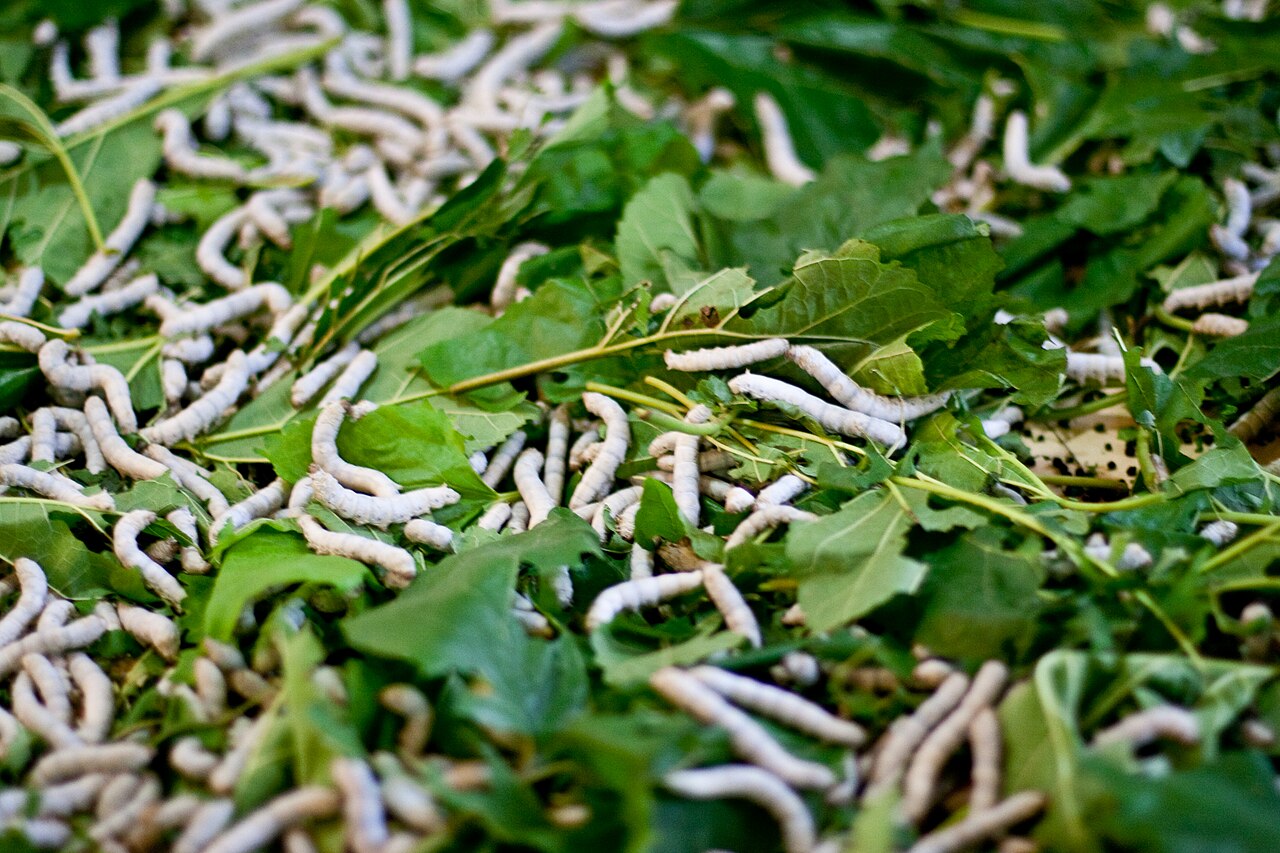
Silkworms on mulberry leaves: Tom Thai / Wikimedia Commons, CC BY 2.0. Cocoon photograph: Balon Greyjoy / Wikimedia Commons, CC0. Photographs have been framed to fit the page layout.
Cocoon flowers: Alanya Municipality, “From the Mulberry Tree to the Loom”, 1 June 2015. The image is presented as an example of the craft.
Archive images: Antalya Commodity Exchange, centenary publication, p. 72 - Barış Eraşkın Archive; Kültür Envanteri, Antalya Sericulture School and Station. Photograph of the Alanya school’s student records: Alanya Municipality, “Alanya’s Silk Journey” exhibition (2024). The Alanya image shows an exhibition of school records, not the historic school building.
Workshop photographs of women making cocoon handicrafts: Alanya Municipality’s publications “Preserving Our Local Sericulture Heritage” and “Bringing Silk Cocoons Back into Home Decoration”. These photographs do not document the activities or participants of Yeryüzü Foundation.
UNESCO inscription: UNESCO, heritage inscription no. 01890 (2022); Turkish title and joint nomination details: Republic of Türkiye Ministry of Foreign Affairs, statement dated 1 December 2022.
History of sericulture in Antalya and Alanya: Ahsen Günbulut, Sericulture Education in Antalya during the Republican Era (1926-1960), Akdeniz University, 2013; Antalya Provincial Directorate of Culture and Tourism, Traditional Silk Culture of the Alanya Region; Alanya Municipality, local sericulture and cocoon flowers.
1. Technical reference on preventing pesticide contamination during rearing and feeding: Republic of Türkiye Ministry of Agriculture and Forestry, İzmir Provincial Directorate - Silkworm Rearing with Women Farmers.